


A life in the royal spotlight means balancing public duty with private hopes—and no two members of the family handle that pressure quite the same way. Take this personality quiz to find out which character from the world of The Crown you most resemble, from Queen Elizabeth II to Princess Margaret and beyond, in a world shaped by high-society traditions.
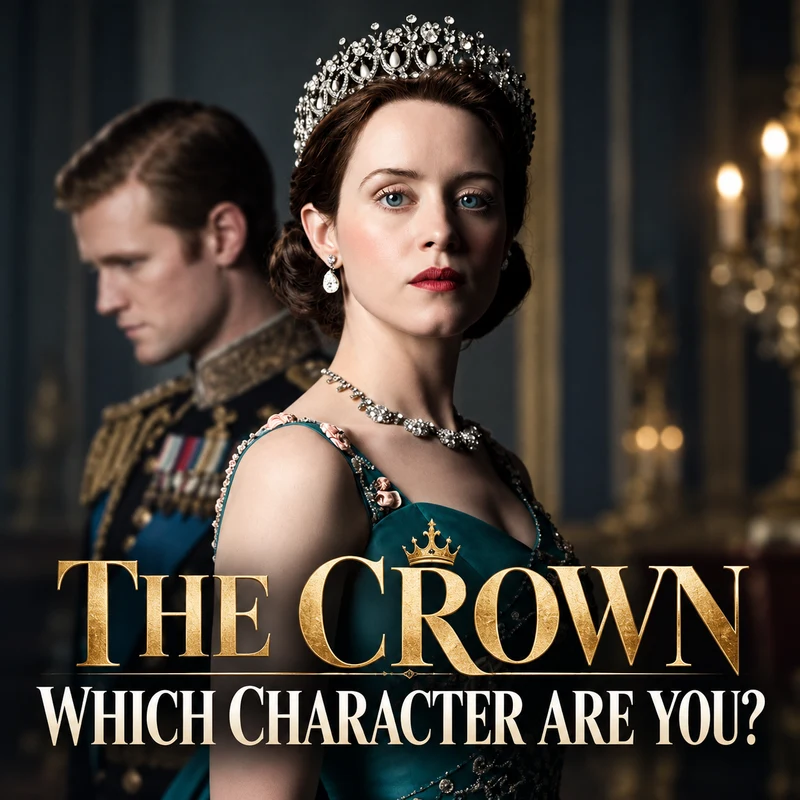
About The Crown
The Crown is a historical drama that follows Queen Elizabeth II’s reign and the political rivalries, romances, and events that shaped Britain. Spanning decades, the series moves from Elizabeth’s accession and coronation through landmark moments including the Suez Crisis, the marriage of Charles and Diana, and the Queen’s Golden Jubilee. Released in 2016, it brings royal and political life to the screen with a changing cast across its seasons.
The Crown Character Profiles
Queen Elizabeth II (portrayed by Claire Foy)
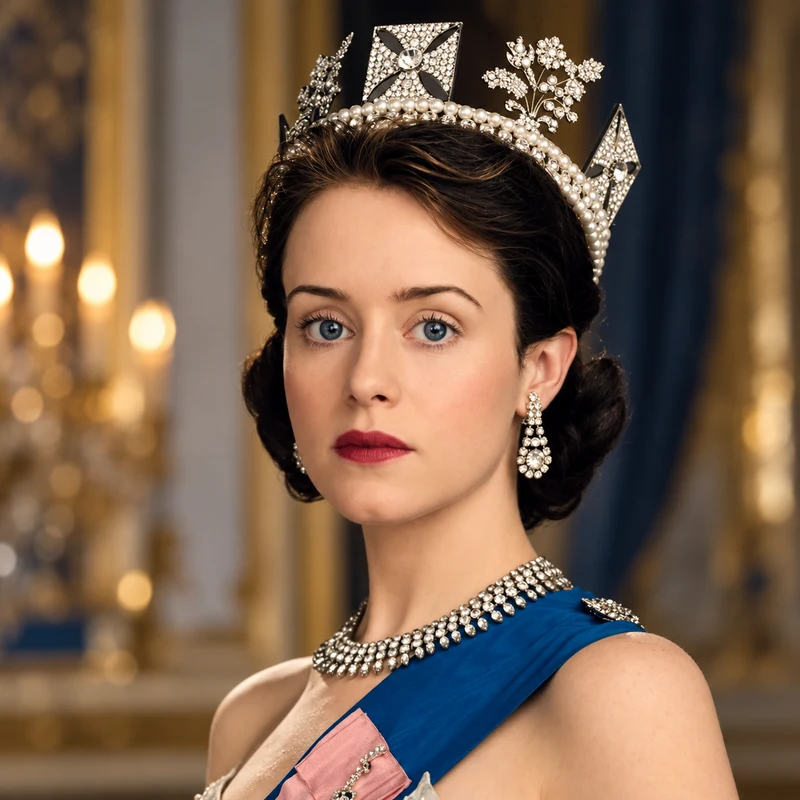
In the early years of her reign, Queen Elizabeth II must learn to balance the private person she has been with the public role she now holds. Claire Foy’s portrayal emphasizes a thoughtful, disciplined young sovereign who takes protocol and stability seriously. Elizabeth often manages competing demands by containing her feelings and making measured decisions, even when those choices affect her family. Her restrained manner reflects both her sense of duty and the personal cost of placing the Crown first.
Prince Philip, Duke of Edinburgh (portrayed by Matt Smith)
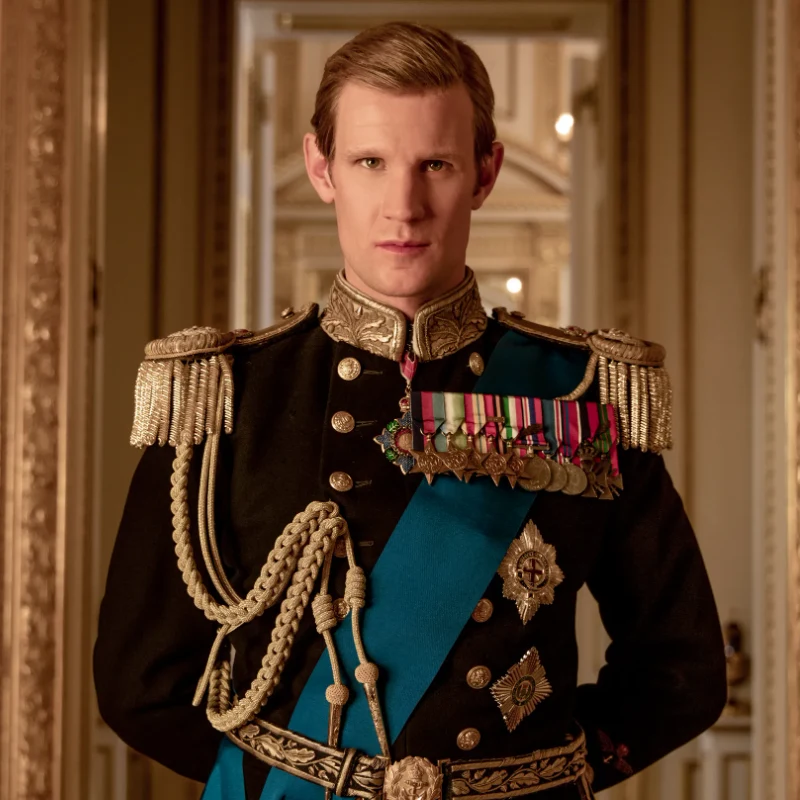
Prince Philip, Elizabeth’s husband, finds that royal life demands a role very different from the independent one he once expected. Matt Smith plays him as intelligent, forthright, and impatient with constraints, especially those that limit his standing beside the Queen. His pragmatic outlook and occasional sharpness bring friction to family and court life, but they sit alongside a strong loyalty to Elizabeth. Philip’s struggle to find purpose within the monarchy gives his marriage a persistent tension and resilience.
Prince Charles

Prince Charles is a thoughtful, inward-looking heir whose need for affection and approval shapes his relationships with his parents and the institution he is expected to represent. The series portrays him as vulnerable to feeling misunderstood and constrained by royal expectations. He has ideas about change and a more modern monarchy, but his sensitivity can also turn into frustration or stubbornness. Charles’s private longing for connection sits uneasily beside the public duties and inherited traditions that define his position.
Martin Charteris

Martin Charteris is a member of the Queen’s household, serving in the close orbit of the monarch and the institution she represents. His work places him among people navigating protocol, private concerns, and the demands of public life. Charteris is presented as a composed, discreet figure, suited to an environment where judgment and tact matter. Rather than dominating a room, he contributes through practical counsel and an understanding of how the royal household operates.
Princess Margaret (portrayed by Vanessa Kirby)

Princess Margaret, Elizabeth’s younger sister, is glamorous, expressive, and less willing than the Queen to keep private feeling behind a formal mask. Vanessa Kirby’s portrayal gives her a lively wit and a taste for spontaneity, alongside flashes of loneliness and resentment. Margaret’s position offers a kind of freedom from the sovereign’s responsibilities, yet it also leaves her subject to the restrictions of royal life. Her relationship with Elizabeth is marked by affection and rivalry, as both sisters navigate sharply different roles.
Queen Elizabeth the Queen Mother (portrayed by Marion Bailey)
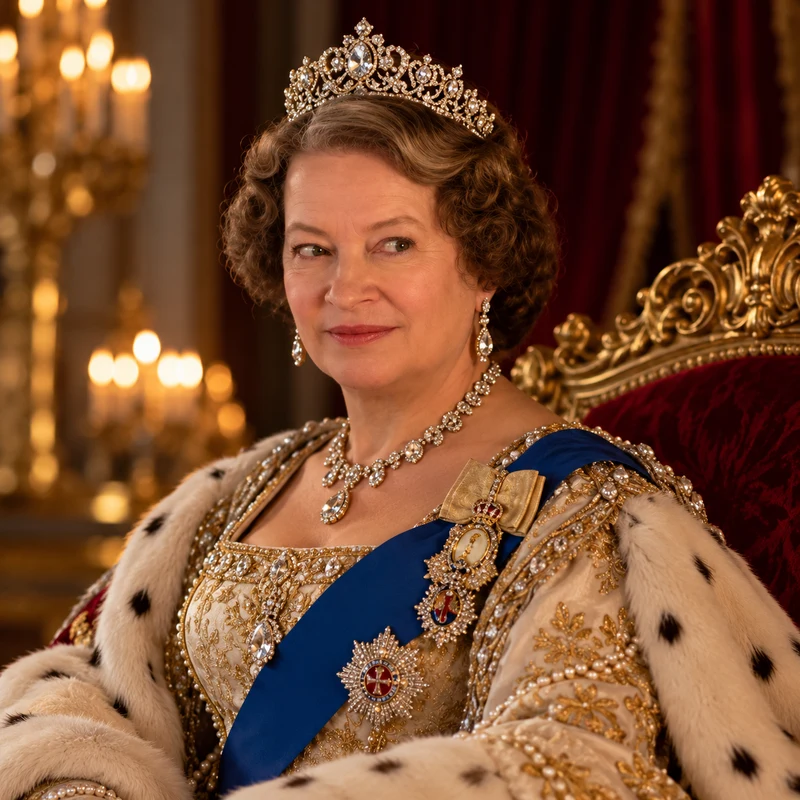
Queen Elizabeth the Queen Mother is a senior member of the royal family and a steady presence in the life of her daughter, Queen Elizabeth II. Marion Bailey portrays her as traditional, matter-of-fact, and firmly protective of the monarchy’s standing. Her counsel is shaped by a belief in continuity and family duty, making her a guardian of established ways during periods of change. She offers perspective from experience, though her instinct to preserve the institution can leave personal desires in the background.


