One minute you’re dismissing Christmas; the next, three spirits are turning your life into a very haunted review. This personality quiz invites you into the shadowy world of Ebenezer and helps reveal which familiar character from Scrooge’s journey suits you. Expect ghosts, family ties, and a little paranormal soul-searching—no pocket watch required.
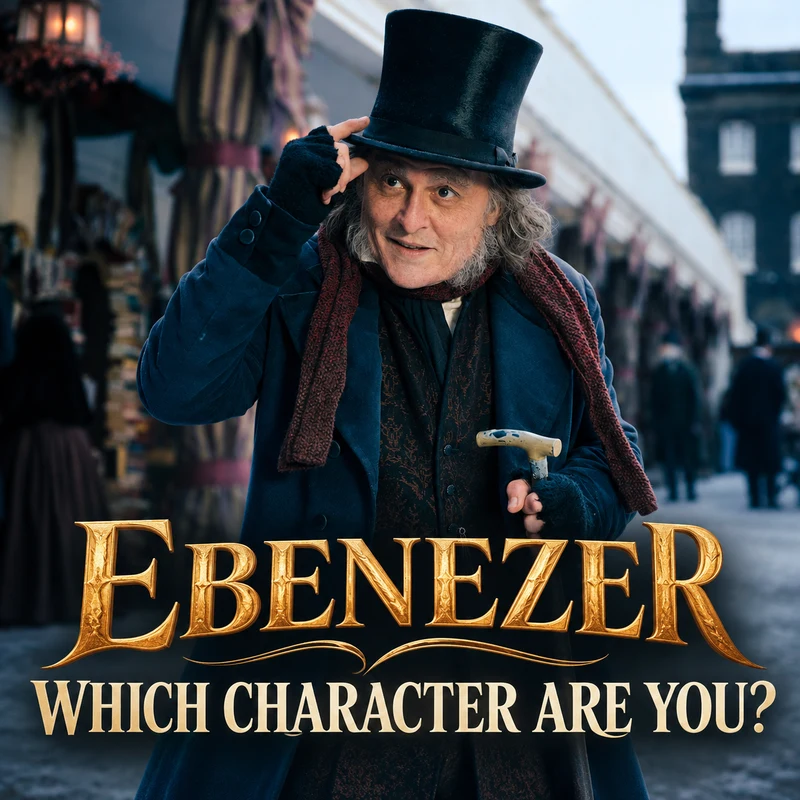
About Ebenezer
Ebenezer, Ti West’s 2026 gothic take on Charles Dickens’s A Christmas Carol, follows a guarded, miserly businessman whose Christmas Eve is upended by the ghost of Jacob Marley and visits from three spirits. They lead Scrooge through painful memories, the lives of those around him, and a bleak possible future, giving him a chance to rethink his choices and seek redemption. It’s a familiar festive tale with a darker London chill and a distinctly gothic horror edge.
Ebenezer Character Profiles
Ebenezer Scrooge
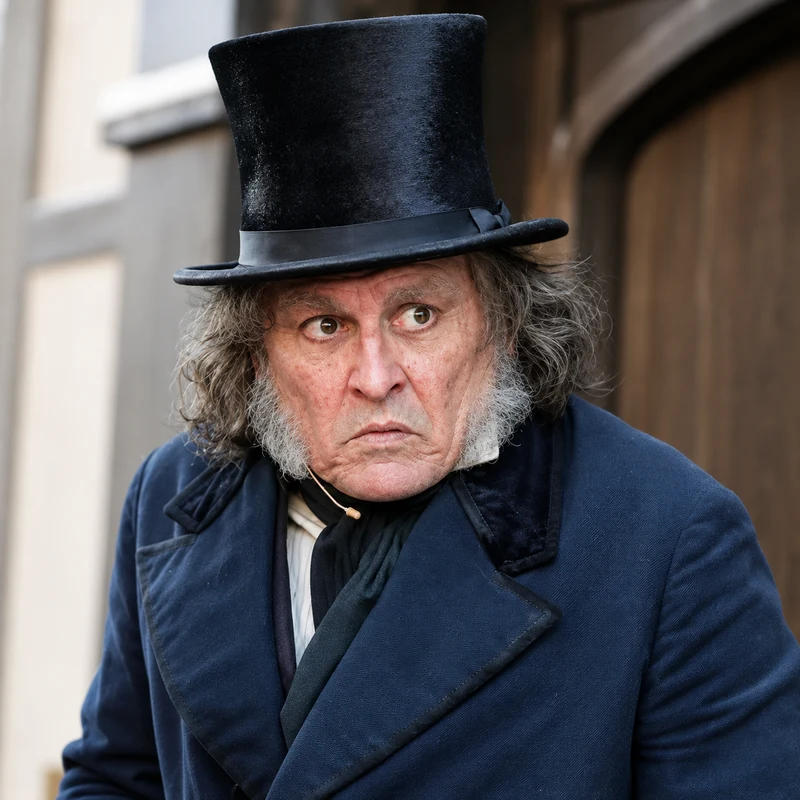
Ebenezer Scrooge is a wealthy London businessman whose misanthropy and contempt for Christmas conceal a man shaped by old grief and emotional withdrawal. He treats money as a shield and keeps even his nephew Fred at a distance, while his overworked clerk Bob Cratchit bears the cost of his severity. Scrooge’s sharp, eccentric wit offers glimpses of vulnerability beneath his hard exterior. A supernatural reckoning presses him to confront how his choices have isolated him.
Bob Cratchit
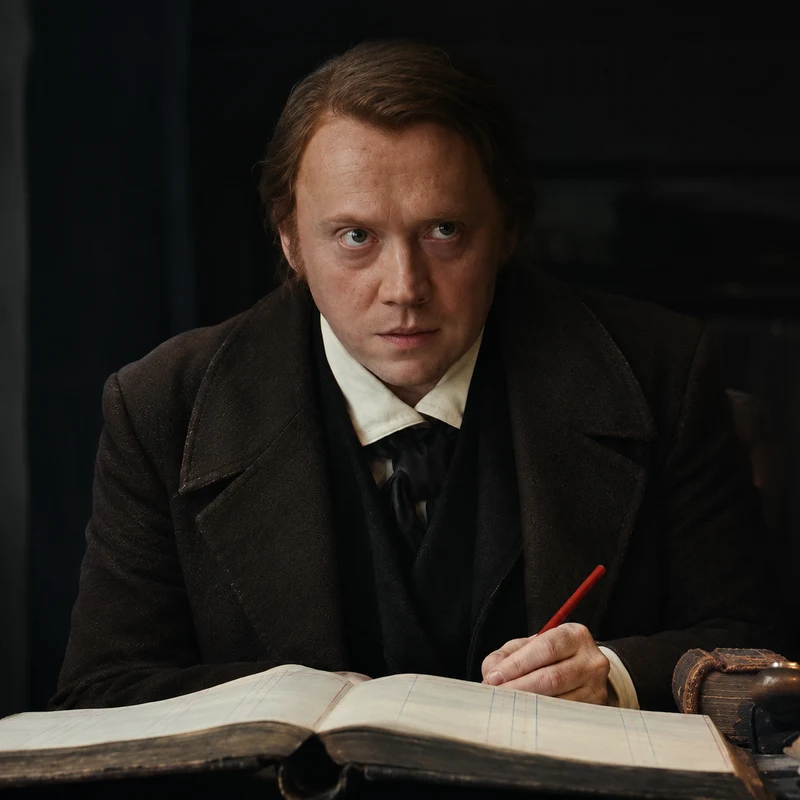
Bob Cratchit is Scrooge’s overworked clerk, a good-spirited man whose compassion stands in contrast to his employer’s hard-heartedness. Despite financial strain and harsh treatment at work, Bob remains devoted to his wife, Emily, and their children, including frail young Tiny Tim. His patience is not passivity: he cares deeply for his family and meets hardship with dignity. Bob’s circumstances expose the human cost of Scrooge’s miserliness, while his warmth offers a different measure of what matters.
Jacob Marley
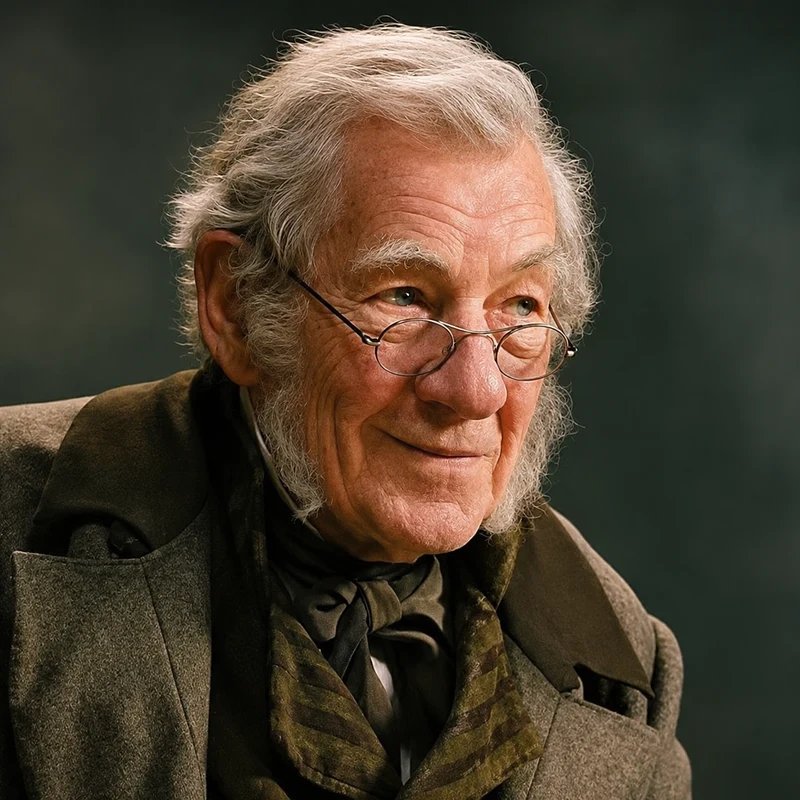
Jacob Marley is Scrooge’s deceased business partner, a grim presence bound to the consequences of a life shaped by greed. Even in life, he was cold and pragmatic, sharing Scrooge’s commercial instincts rather than offering a moral counterweight. In death, his tortured specter confronts his former partner with a warning about the path ahead. Marley’s appearance turns the story’s supernatural unease into a personal reckoning, linking Scrooge’s present isolation to the choices that may define his future.
Ghost of Christmas Past

The Ghost of Christmas Past is an eerie, ethereal guide who leads Scrooge through memories he would rather avoid. Her visits reveal formative experiences, lost affection, and the gradual hardening of his youthful hopes into ambition. Rather than simply offering nostalgia, she presses him to examine how the past continues to shape his emotional defenses. Her unsettling presence makes reflection feel unavoidable, turning memory into a means of understanding the lonely choices Scrooge has made.
Fred
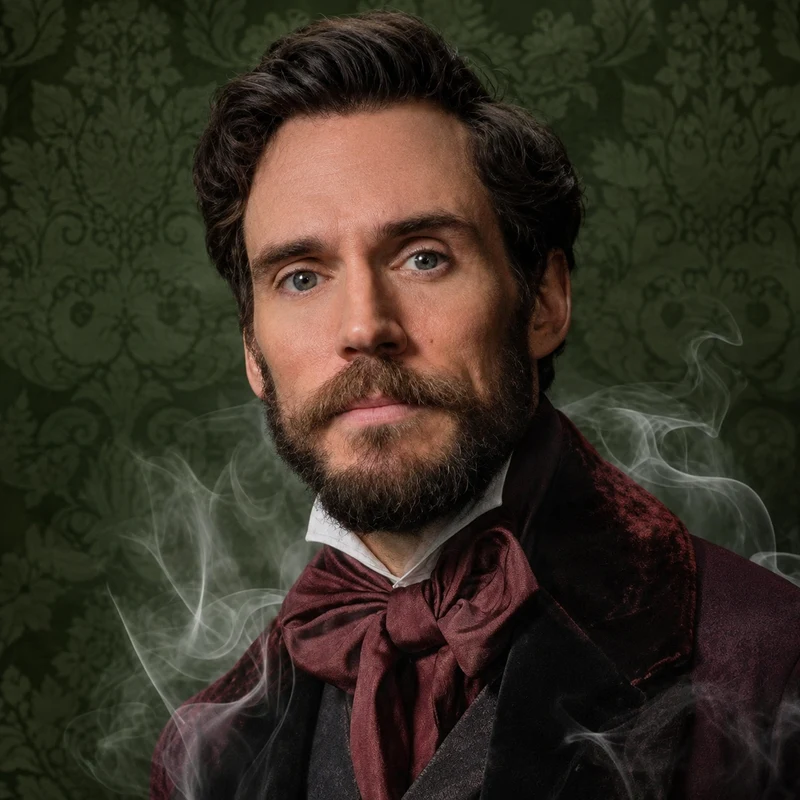
Fred is Scrooge’s nephew, an open-hearted man who continues to invite his uncle into family life despite repeated rebuffs. His optimism and emotional candor stand in sharp contrast to Scrooge’s isolation. Fred’s patience has a personal source: Scrooge is his only living link to his late mother, and keeping that connection matters to him. Alongside his wife, Clara, he offers his uncle warmth and hospitality without pretending that Scrooge’s behavior has been kind.
Clara
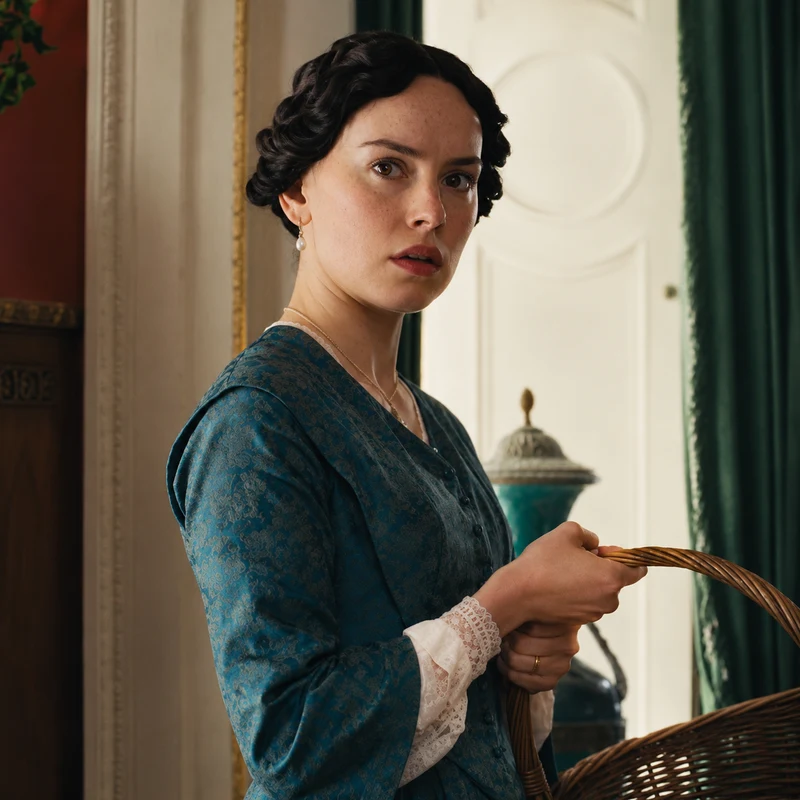
Clara is Fred’s kind-natured wife, sharing his welcoming spirit and his willingness to include Scrooge in family gatherings. She provides a warm counterpoint to Scrooge’s hostility, helping make Fred’s home a place of hospitality rather than judgment. Though less directly tied to Scrooge’s past than her husband is, Clara’s openness reflects the generosity he has long rejected. Her presence helps define the family life that remains available to him if he is willing to reconnect.
Ghost of Christmas Present

The Ghost of Christmas Present is a charismatic yet menacing guide who brings Scrooge into the lives and circumstances of people around him. His theatrical manner gives the journey an air of spectacle, but his purpose is pointed: to expose the poverty, generosity, and family bonds Scrooge has ignored. He does not soften the realities of Victorian London, and his unsettling edge makes each lesson difficult to dismiss. Through him, the present becomes a test of Scrooge’s capacity for empathy.