¿Listo para zarpar hacia una aventura legendaria? Este cuestionario de personalidad te invita a descubrir qué personaje de este viaje épico se adapta mejor a tus instintos, tu valentía y tu manera de enfrentarte a los problemas. Con ecos de relatos mitológicos, desafíos propios de las pruebas de supervivencia y el sabor de las grandes aventuras históricas, ¿revelará tu resultado a un viajero intrépido, a un superviviente ingenioso o a alguien con un talento especial para desenvolverse en el caos?
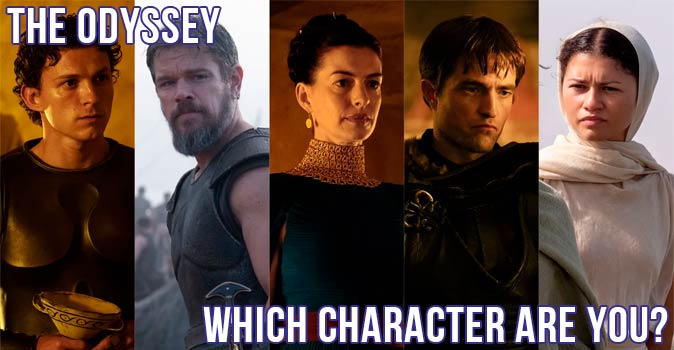
Sobre The Odyssey
La Odisea sigue a Odiseo después de la Guerra de Troya, mientras intenta emprender el peligroso viaje de regreso a Ítaca. Por el camino, se enfrenta a amenazas y misterios inolvidables, entre ellos el cíclope Polifemo, las hechizantes sirenas y Calipso. Es un viaje dramático, repleto de peligros y encuentros extraños, que lo convierte en una fascinante historia de mitología y en un recordatorio de que nunca conviene bajar la guardia.
Conoce a los personajes de The Odyssey
Odysseus
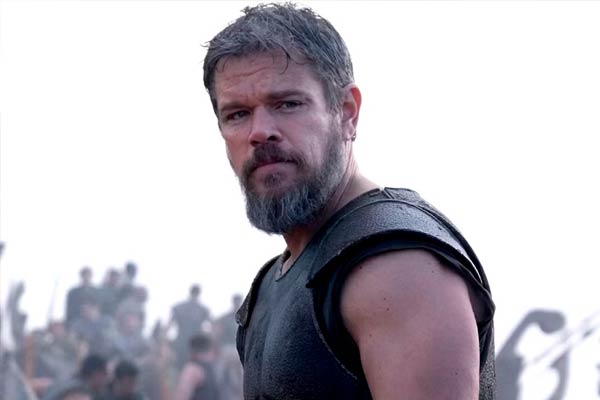
Odiseo es el cerebro del grupo, el rey de Ítaca que parece tener siempre un plan… aunque a veces ese plan sea básicamente “improvisar y esperar que nadie se dé cuenta”. Es astuto, valiente y tremendamente persistente, capaz de enfrentarse a monstruos, dioses y mares imposibles con tal de volver a casa. También es orgulloso, demasiado orgulloso a ratos, porque claro, anunciar tu nombre después de engañar a un cíclope no fue precisamente su momento más discreto. Pero ahí está su encanto: es un héroe brillante, cansado, tramposillo y profundamente humano.
Telemachus
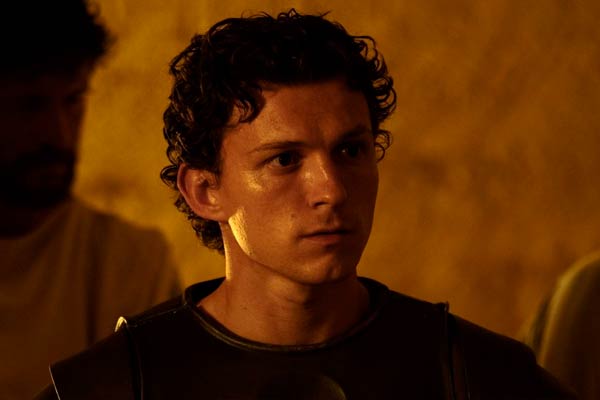
Telémaco empieza siendo un chico perdido en su propia casa, rodeado de pretendientes que se comen todo y actúan como si Ítaca les perteneciera, qué rabia. Poco a poco se convierte en alguien valiente y decidido, aprendiendo a defender su lugar y a buscar noticias de su padre aunque la situación dé miedo. Tiene una mezcla muy bonita de inseguridad y coraje, como si todavía no supiera que ya está creciendo mientras lo hace. Y sí, a veces parece más serio de lo que debería, pero seguramente también se le escapaba alguna mirada de “¿en serio tengo que resolver yo todo esto?”.
Penelope
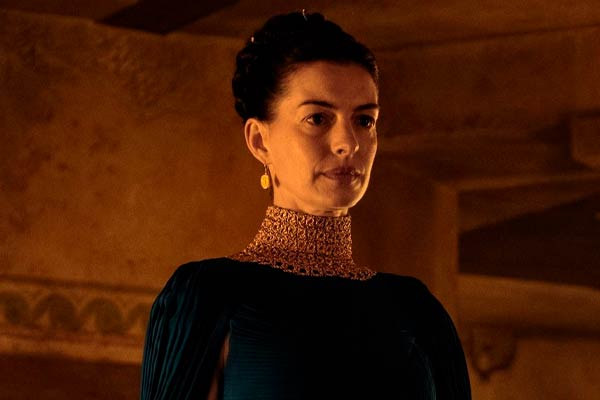
Penélope es inteligencia, paciencia y una cantidad casi absurda de autocontrol, porque aguantar a todos esos pretendientes durante años tiene que ser un deporte olímpico. Es astuta y calculadora, pero no de una forma fría: su amor por Odiseo y su lealtad a Ítaca están siempre ahí, firmes, incluso cuando nadie sabe si él volverá. Lo de tejer y destejer es legendario, literalmente una jugada maestra con lana y muchísima cara de inocente. Aunque parece tranquila, debajo hay una voluntad de hierro, y probablemente era la persona más peligrosa de la casa cuando levantaba una ceja.
Bard
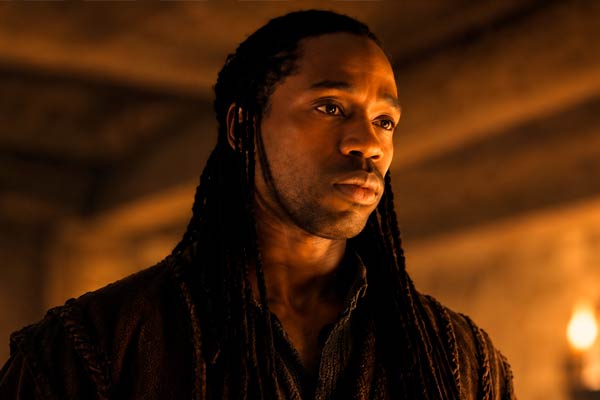
El bardo es quien convierte las hazañas, tragedias y metidas de pata de los héroes en historias que sobreviven al tiempo. Tiene una sensibilidad enorme para captar el dolor, la gloria y esos detalles dramáticos que hacen que todos se queden escuchando aunque ya conozcan el final. A veces parece una figura tranquila, casi al margen, pero en realidad controla el ambiente con cada canción y cada pausa, y eso es poder, muchísimo poder. Además, seguro que recuerda las historias de manera ligeramente distinta cada vez, pero oye, así nacen las mejores leyendas.
Athena
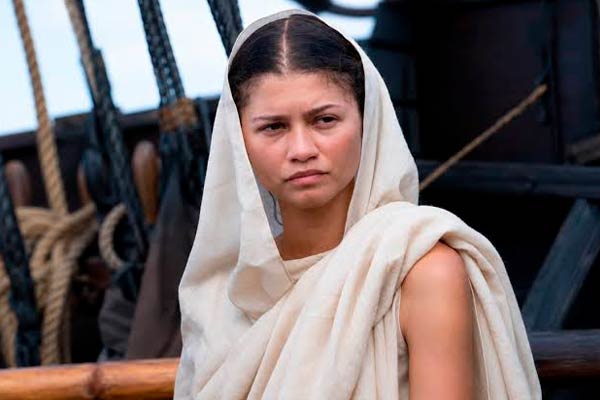
Atenea es la diosa de la sabiduría, la estrategia y las soluciones que llegan justo cuando todo parece perdido, aunque también tiene esa energía de “yo ya lo había pensado hace tres horas”. Protege a Odiseo y a Telémaco porque reconoce la inteligencia, el esfuerzo y la capacidad de actuar con cabeza, no solo con músculos. Es elegante, poderosa y bastante manipuladora cuando hace falta, porque los dioses tampoco juegan limpio, seamos sinceros. Puede aparecer como una diosa majestuosa o disfrazarse de alguien inesperado, y de alguna manera ambas versiones le quedan perfectamente.
Antinous
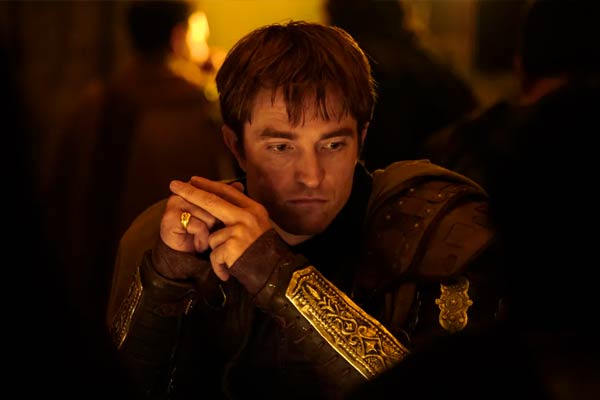
Antínoo es el pretendiente más arrogante y desagradable de Ítaca, el tipo de persona que entra en una casa ajena, se come la comida y todavía espera que le den las gracias. Es abusivo, cruel y demasiado seguro de que su posición social lo protege de cualquier consecuencia. Su desprecio por Telémaco y por los mendigos deja clarísimo que tiene poder, pero cero nobleza, que no es exactamente lo mismo. Y aun así resulta memorable, porque cada vez que aparece uno piensa: “ah, genial, ya llegó este hombre”, antes de que vuelva a empeorar todo.
Polybus
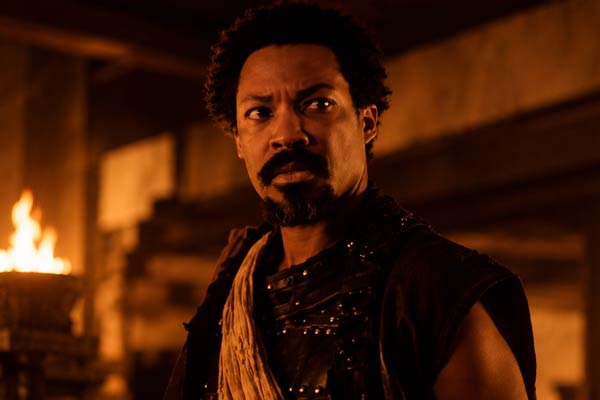
Pólibo es una figura más discreta, pero tiene esa presencia de hombre respetable, acomodado y acostumbrado a moverse entre reyes, familias nobles y conversaciones importantes. No destaca por lanzarse al combate ni por dar discursos épicos, sino por representar el mundo de los anfitriones, las alianzas y la gente que sostiene la vida civil mientras otros se van a Troya o se enfrentan a monstruos. Tiene un aire sereno, casi demasiado correcto, aunque debajo de esa calma seguramente guarda opiniones bastante fuertes. Es de esos personajes que aparecen un momento y luego te preguntas por qué recuerdas perfectamente su nombre… algo tendrá.
Menelaus
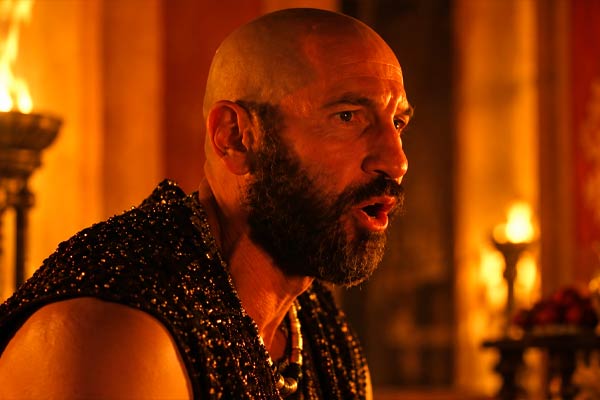
Menelao es el rey de Esparta y el esposo de Helena, una figura marcada por la guerra de Troya, la pérdida y el deseo de recuperar lo que le fue arrebatado. Es orgulloso y guerrero, claro, pero también sabe recibir a los viajeros y contar historias con una generosidad que sorprende un poco al principio. Su vida está llena de gloria y tragedia, y parece estar siempre intentando convertir ambas cosas en algo que pueda soportar. Además, tiene esa energía de rey que ha visto demasiado, aunque probablemente todavía se enfade muchísimo si alguien menciona el asunto de Helena de la manera equivocada.
Agamemnon
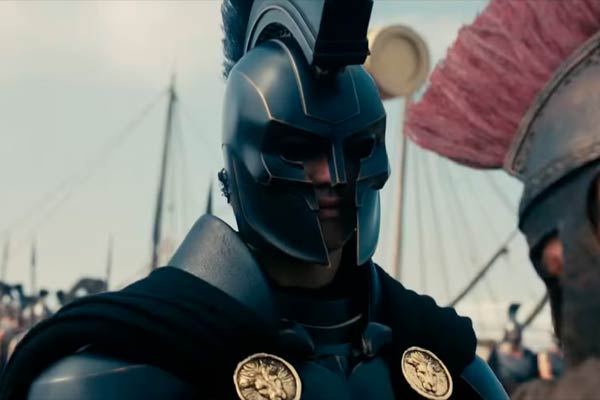
Agamenón es el gran rey guerrero, poderoso, ambicioso y con una presencia que llena cualquier sala, incluso cuando nadie le ha pedido que entre. Lideró a los griegos contra Troya, pero su autoridad viene acompañada de orgullo, decisiones terribles y una facilidad preocupante para sacrificarlo todo por la victoria. Es una figura enorme y trágica, de esas que parecen estar destinadas a caer desde el momento en que empiezan a mandar. Y aunque puede parecer invencible en los relatos de guerra, su historia demuestra que volver a casa no siempre significa estar a salvo.