You’ve stepped into a world where honor, loyalty, destiny, and impossible choices shape every path. This personality quiz will reveal which legendary hero or guide from the epic matches your spirit. Answer honestly, trust your instincts, and discover whose strengths, flaws, and values reflect the person you are deep down.
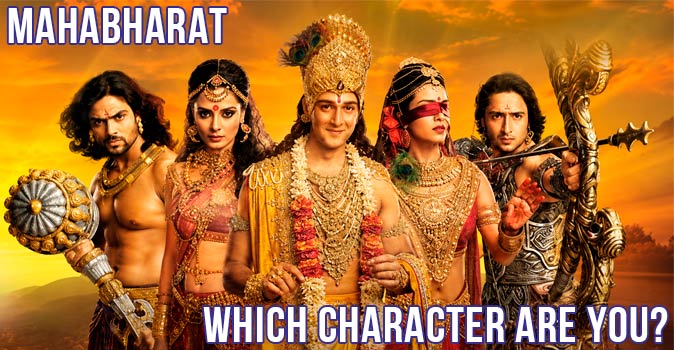
About Mahabharat
Mahabharat is a modern adaptation of one of India’s greatest epics, bringing the timeless story of the Pandavas and Kauravas to a new generation. Filled with unforgettable heroes, divine guidance, family conflict, and the legendary Kurukshetra war, the series explores duty, sacrifice, ambition, and morality. Every character faces impossible decisions, making the story as emotionally powerful today as it has been for centuries.
Mahabharat Character Profiles
Krishna
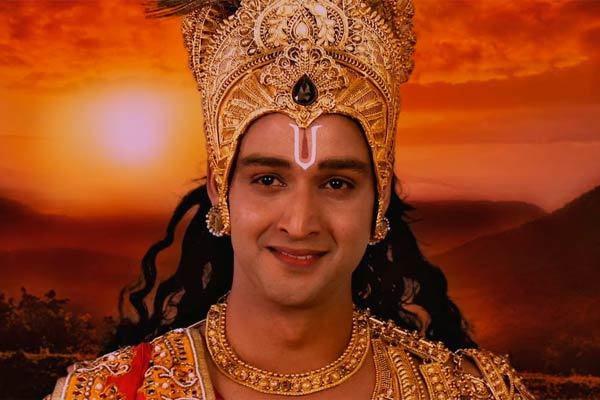
Krishna is one of the most influential figures in the Mahabharat, known for his calm intelligence, strategic thinking, and deep sense of purpose. He often guides others with patience and insight, choosing wisdom over force when possible. His role in the epic is both spiritual and practical, as he shapes events through counsel, timing, and subtle authority. Krishna’s presence brings balance to the story, making him a figure of guidance, clarity, and larger meaning.
Arjun
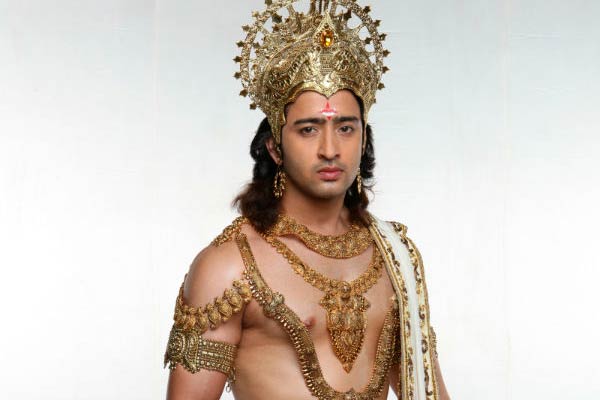
Arjun is a skilled warrior in the Mahabharat, defined by discipline, focus, and a strong commitment to duty. He is often portrayed as thoughtful and idealistic, with a serious approach to honor and responsibility. His journey reflects both strength and inner conflict, especially when faced with difficult moral choices. Arjun stands at the center of the epic’s battlefield narrative, representing courage, skill, and devotion to righteousness.
Draupadi
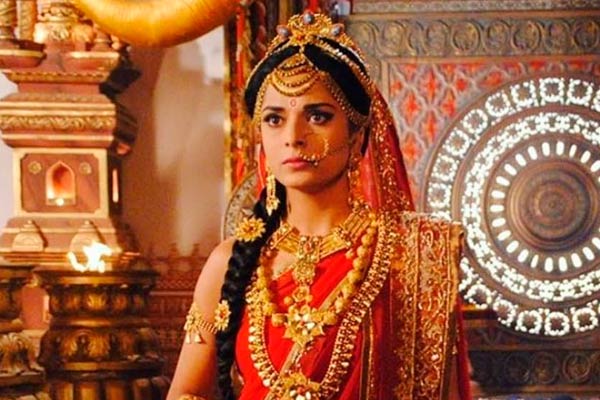
Draupadi is a powerful and dignified character in the Mahabharat, known for her intelligence, resilience, and sharp sense of justice. She plays a crucial role in the epic through her strength in the face of humiliation and suffering. Her presence drives much of the conflict, while also exposing the moral failures of those around her. Draupadi remains one of the most important voices in the story, combining vulnerability with remarkable determination.
Karna
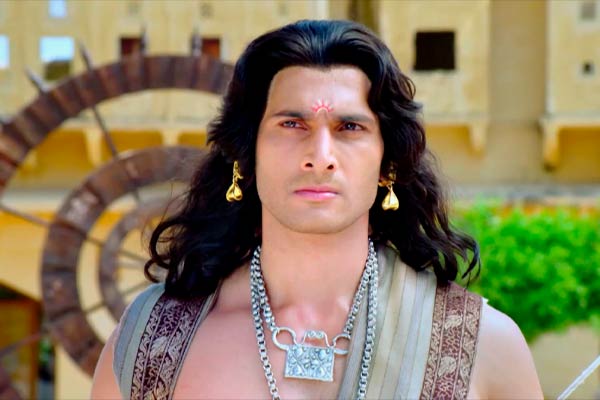
Karna is one of the most tragic and complex figures in the Mahabharat, marked by loyalty, generosity, and a deep sense of wounded pride. He is often remembered for his skill, his harsh fate, and the emotional weight of his divided identity. Karna’s choices are shaped by loyalty, gratitude, and a desire for recognition, even when they lead him into conflict. His role in the epic gives the story much of its emotional depth and moral tension.
Duryodhan
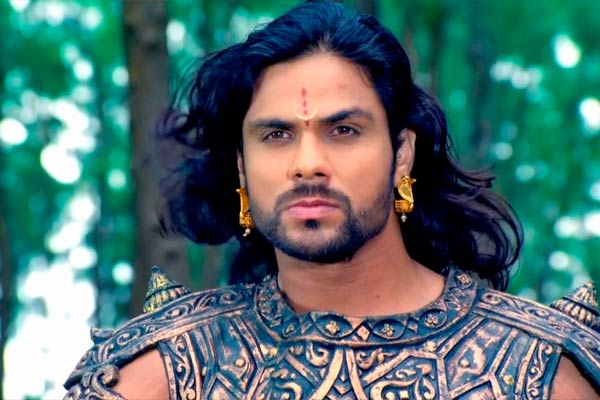
Duryodhan is a central antagonist in the Mahabharat, defined by ambition, stubbornness, and a powerful need to assert control. He is frequently driven by envy and pride, which push him toward choices that intensify the conflict between the Kauravas and Pandavas. At the same time, his determination and loyalty to his own side give him a forceful presence in the epic. Duryodhan serves as a key embodiment of rivalry, ego, and the destructive cost of unchecked ambition.
Shakuni
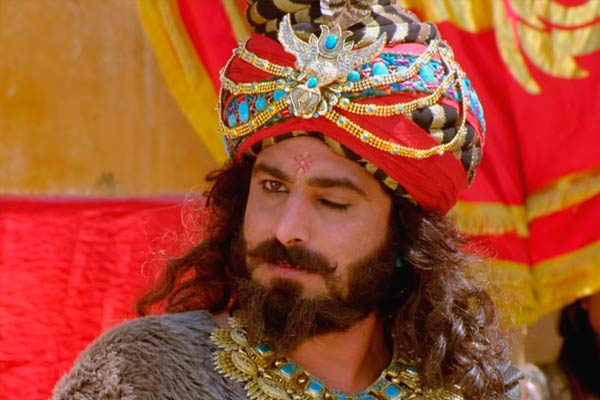
Shakuni is the cunning strategist of the Mahabharat, known for manipulation, sharp wit, and a calculating mind. He often operates through deceit and influence, shaping events from behind the scenes rather than through direct confrontation. His role in the epic is important because he helps drive the conflict forward with schemes and political maneuvering. Shakuni adds a layer of intrigue to the story, representing deception, resentment, and the power of indirect control.